Serving the Numerical Simulation community since 1989




News & Events
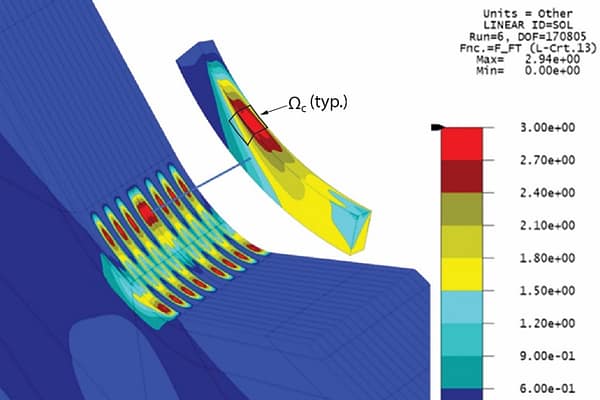
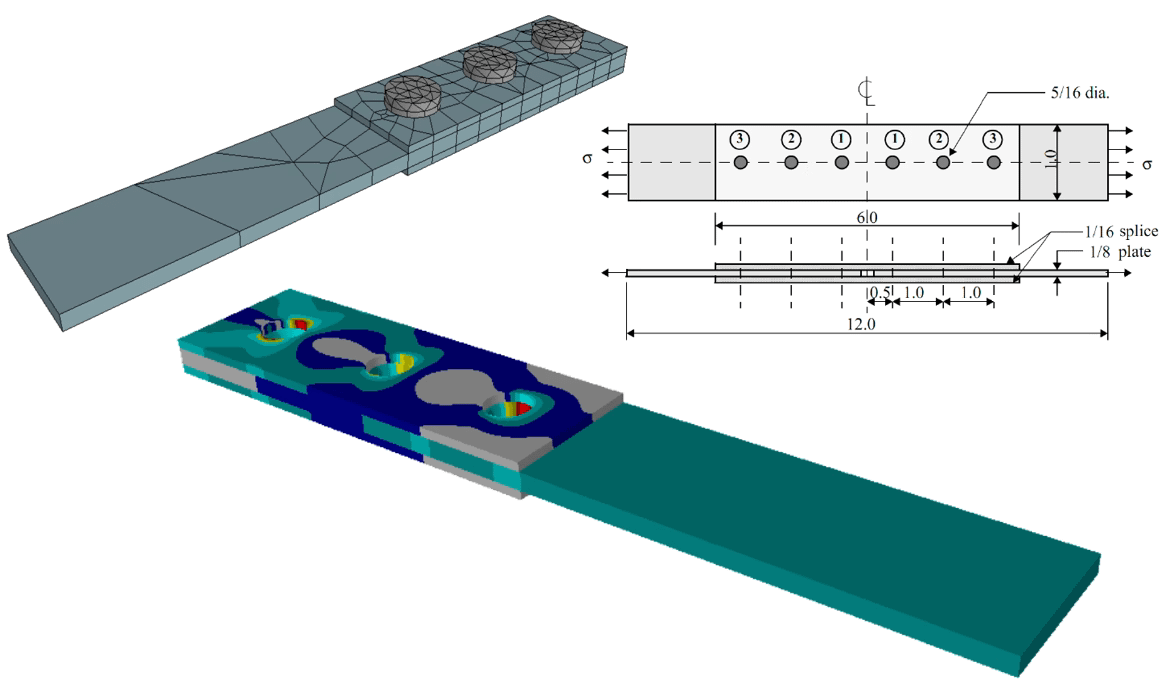
Reliable strength prediction in laminated composites requires the simultaneous control of discretization and model-form errors. Conventional plate and shell formulations cannot generally provide this control. The hp-version of the finite element method offers a practical solution.
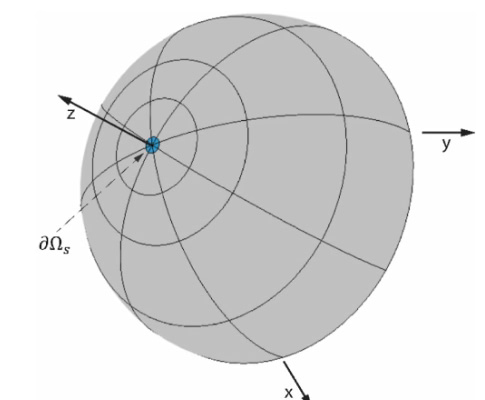
"From Legacy Finite Element Modeling to Explainable Simulation: Technical Requirements for XAI in Computational Mechanics", a technical paper authored by ESRD Co-founder and Chairman Dr. Barna Szabó, was recently published in Computational Mechanics and is available to all as an open-access article. This paper discusses technical requirements posed by Explainable AI (XAI), methods for controlling both model-form and discretization errors in AI-assisted simulation, and model-centric vs. element-centric implementations.

Numerical simulation has substantial unrealized potential due to a disconnect between the professional practice of finite element modeling and the underlying science of numerical simulation. Realizing this potential requires bridging that gap—a challenge that entails overcoming several critical obstacles.
Dynamic Results Mining.
Solution Verification.
Simulation Governance.
Democratization.